For many years, steel and galvanised iron tanks were the most common way to store water in homes and buildings across Iraq. Over time, however, they develop problems that affect both water quality and the owner’s budget. In this article we explain the main disadvantages of steel tanks and why food-grade polyethylene tanks are a better choice for drinking water.
1. Rust and corrosion over time
Steel reacts with water and oxygen. Over the years the protective coating or galvanising wears away, especially at welds, corners and the base. Rust then appears as flakes and brown deposits inside the tank.
These deposits do not only damage the tank – they mix with the water and travel to taps, heaters and filters.
2. Changes in water colour, taste and smell
Some of the most common complaints with old steel tanks are brownish or yellowish water, a metallic taste and sometimes an unpleasant smell. New galvanised tanks can also release zinc in the first weeks, which affects the taste of the water.
3. A surface where bacteria and dirt build up
Rough, rusty surfaces and sediment create places where dirt and bacteria collect and are hard to clean. The more deposits there are, the harder and less effective cleaning becomes.
4. Hot water in summer
Steel is a good conductor of heat. In the Iraqi summer, when temperatures exceed 50 °C, a metal tank heats up quickly – and so does the water. Multi-layer plastic tanks act as insulation and reduce heat transfer.
5. Weight, installation and maintenance costs
Steel tanks are heavy, need strong bases and more labour to install, and require repainting, rust treatment and leak welding from time to time. These recurring costs make a steel tank more expensive in the long run.
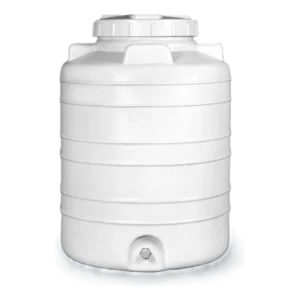
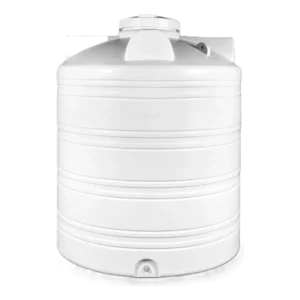
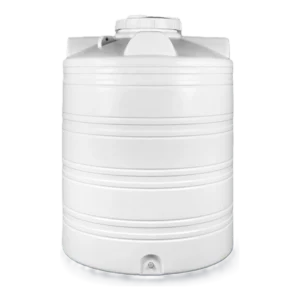
The better alternative: food-grade polyethylene tanks
- They do not rust or corrode because they are made of plastic, not metal.
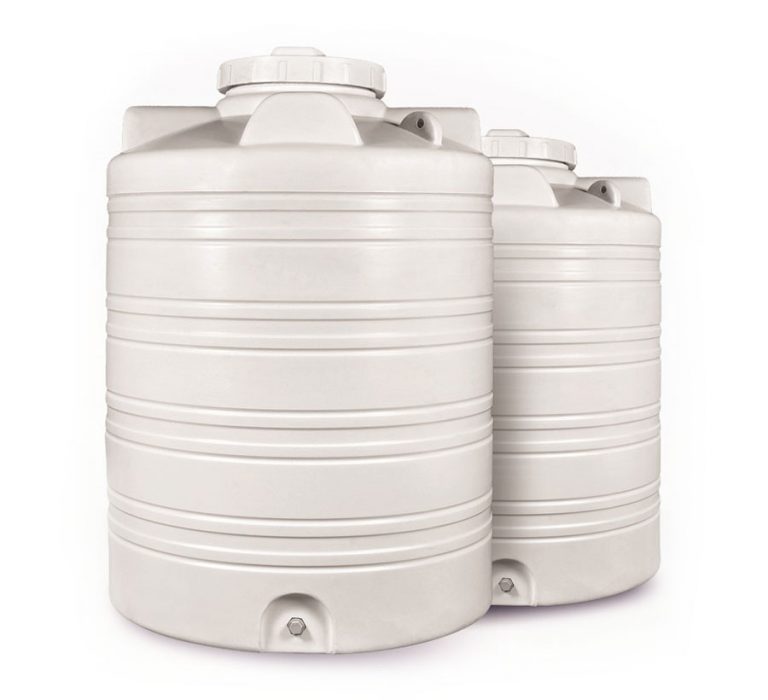
- Made from 100% virgin, food-grade raw material such as SABIC LLDPE R50035E and HDPE HD3840UA, used in BAZ tanks.
- One seamless piece with no welds – no joints for water to leak through.
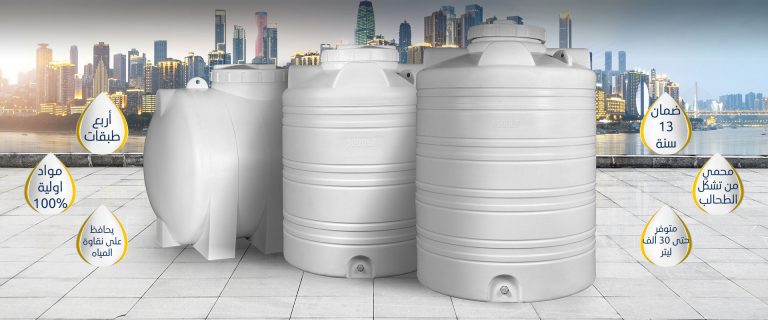
- Multiple layers (up to 5) protect against sunlight, prevent algae and keep water cooler.
- Lightweight and easy to transport, install and clean.
- Long warranty of up to 20 years depending on tank type and size.
Conclusion
If your steel tank is old, or you notice changes in the colour or taste of your water, it is time to consider replacing it with a multi-layer food-grade polyethylene tank. It protects your family’s health and saves you recurring maintenance costs.
Frequently Asked Questions
Are steel water tanks dangerous to health?
A new, well-coated steel tank is not a direct risk, but with corrosion, rust and sediment, water quality declines and the tank becomes harder to keep clean. Inspect it regularly or replace it with a food-grade polyethylene tank.
How long does a plastic tank last compared with steel?
A quality plastic tank made from virgin material and UV-protected lasts many years without rust. BAZ tanks come with a warranty of up to 20 years depending on type and size.
Does water get hot in a plastic tank in summer?
Multi-layer tanks significantly reduce heat transfer compared with metal tanks. It is still best to install the tank in a shaded place where possible.
Looking for a reliable water tank?
BAZ Plastic tanks are made from 100% virgin raw material, with multiple layers and a warranty of up to 20 years.